
Two articles ago, I shared some reflections on a webinar on indigenous knowledge and ecosystem restoration featuring Dr. Stewart Hill. Another thing in Dr. Hill’s talk that piqued my interest was his thoughts on invasive species.
My most recent article briefly touches on this topic, recounting an unexpected encounter I had with a non-native species. Admittedly, this story was only tangentially related to invasive species, let alone to ecological restoration. While it was a fun tangent, I now take a more direct look at invasive species, which often come up in restoration projects.
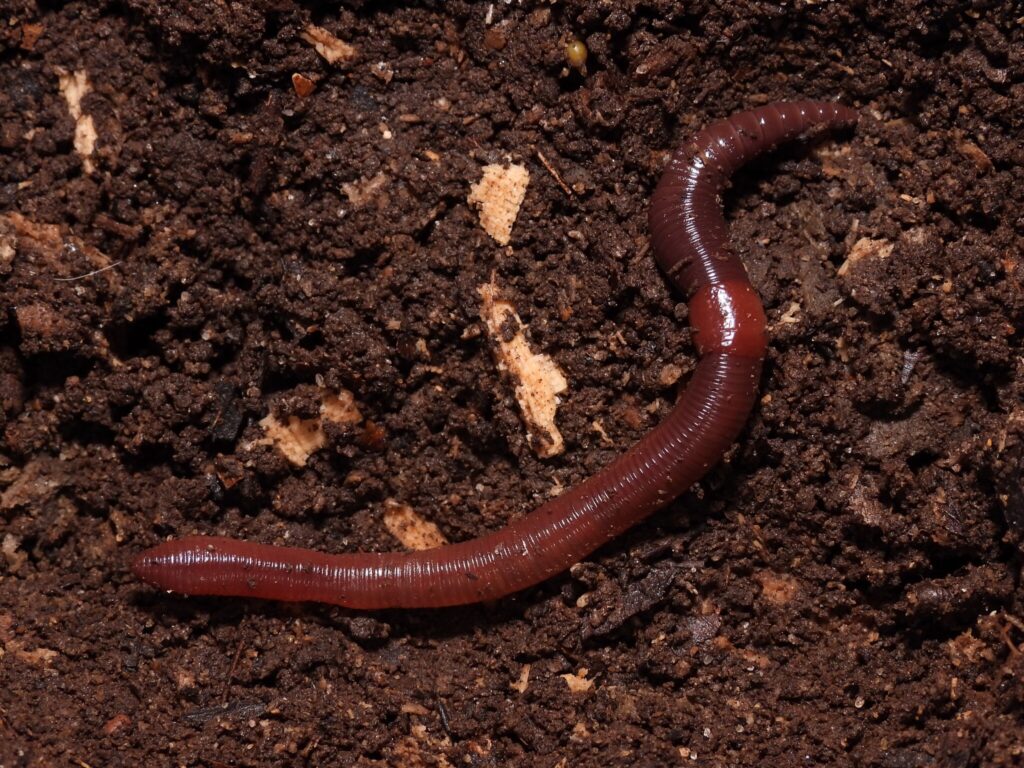
Funny enough, the first peer-reviewed publication I ever co-authored was published in Biological Invasions in 2011 on the topic of non-native earthworms. It feels fitting to circle back to invasive species after all these years.
The part of Dr. Hill’s talk about invasive species starts at 1:05:04 during the Q&A. He mentions how he doesn’t like the term “invasive species,” saying that the animals are not invading but rather just adapting to changes. He said that as humans, our responsibility is also to adapt to these changes, not resist them. I also have issues with the term “invasive species”. I think it elicits unnecessary defensiveness.
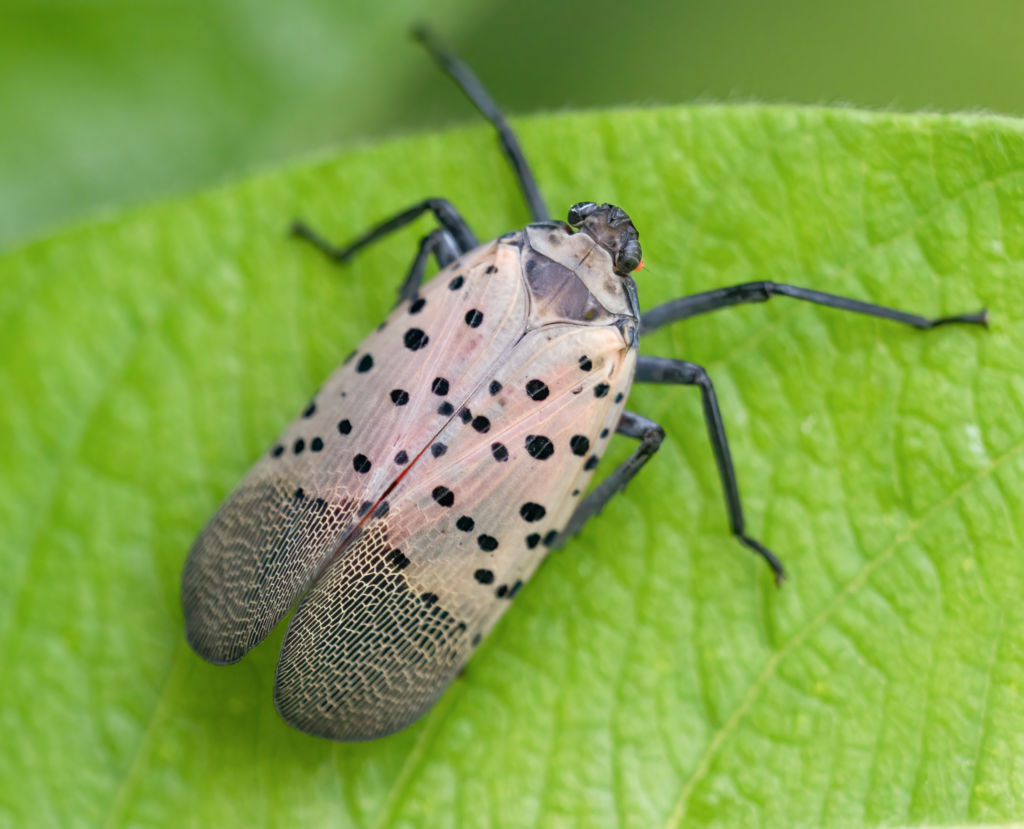
Case in point. In 2020 during the early days of the pandemic, I was living in central Pennsylvania. At that time, a newly arrived insect species–the spotted lanternfly (Lycorma delicatula)–was raising concerns about damage to crops and other plants. This insect quickly became a villain in many peoples’ eyes. I remember people bragging on social media about how many lanternflies they had stomped that day, even getting their kids involved. I was sad and disturbed to see how easily, and even gleefully, people justified killing a creature they saw as a threat.
.jpg)
Seeking a more compassionate approach, I found a paper by Nicholas J. Reo and Laura A. Ogden, “Anishnaabe Aki: an indigenous perspective on the global threat of invasive species”. When I first read it in 2020, I remember feeling a kinship with the views shared, just as I did many years later when listened to Dr. Hill’s talk. The one thing from Reo and Ogden’s paper that stuck with me all these years was the “wait and see” approach to dealing with new arrivals. I found this a refreshing contrast to the “stomp first, ask questions later” approach I was seeing around me.
This past week I decided to revisit Reo and Ogden’s paper. The authors interviewed tradition bearers (mostly elders) from Anishnaabe communities–a group of indigenous peoples living in modern day Canada and the US in the Great Lakes region–about their views on invasive species. The authors note that these views do not represent those of all indigenous people or even of all Anishnaabe.
That said, three main insights from these interviews are presented in the paper:
- Plants group into nations rather than individual species, and the arrival of new plants is understood as natural migration rather than invasion.
- It is important to learn about the purpose of new plant arrivals. Methods employed to this end include observing how animals use the plants, asking the plants themselves why they are there, and asking people who are indigenous to where the plant comes from about its purpose.
- Many respondents were more concerned about the impacts of “invasive” colonialist views–such as private land ownership and the “playing god” approach to environmental management–than the arrival of new species.
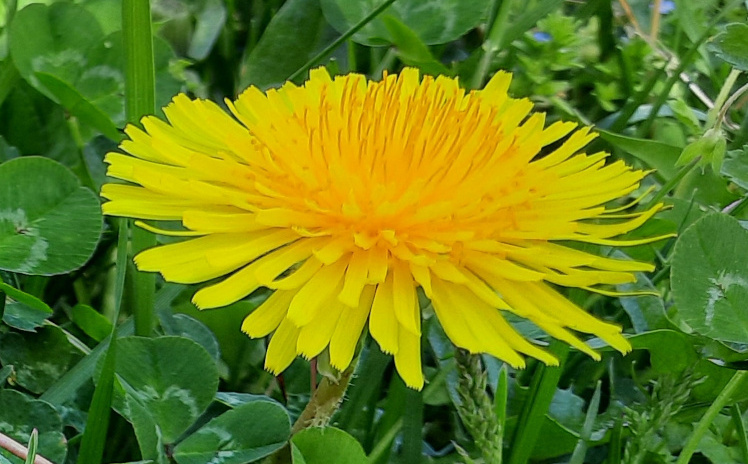
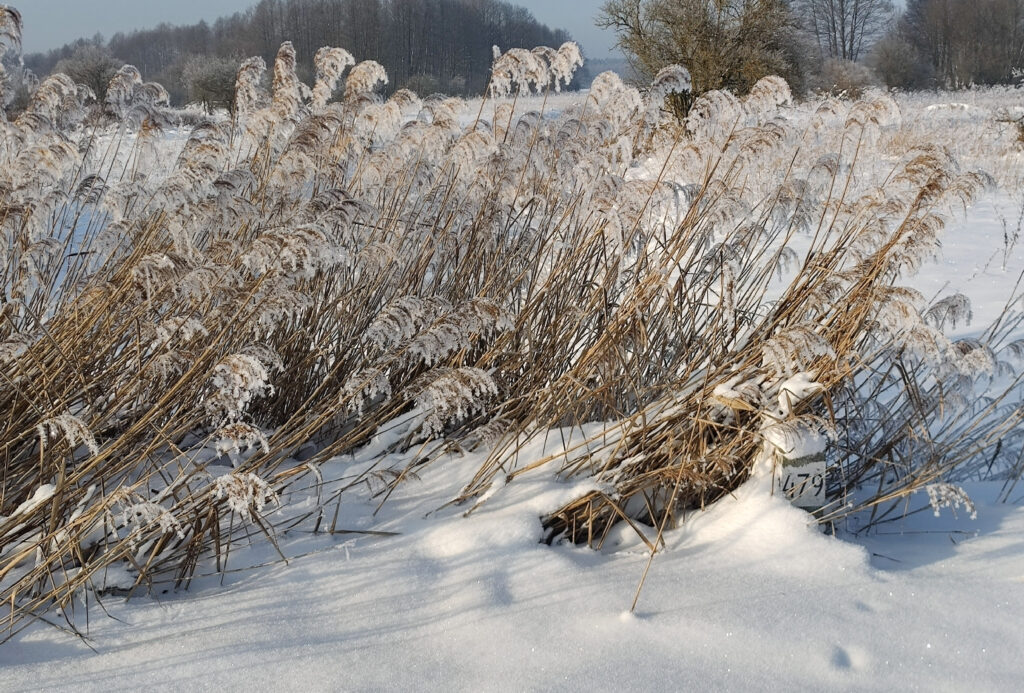
I see both similarities and differences between the views presented by Reo and Ogden and those of the mainstream with regards to invasive species. I realize there’s more nuance than what I’m presenting here and that I still have much to learn. It’s also worth noting that I am a non-indigenous person trained in Western science. All that said, I think both perspectives seek to understand new arrivals, but the motivation for that understanding is different. One world view asks, “What is the purpose of this new arrival? What can it be used for? Is it here to stay or just passing through? What does Creator have in mind?” The other asks, “What are its vulnerabilities and how can we exploit those to get rid of it?” One sees newcomers as invaders, the other as kin.
And that brings me back to Dr. Hill. Towards the end of the Q&A, he mentions that he’d like to find a different term for “invasive species”. Even though I still use that term sometimes out of convention, I agree with him.
So, some questions I’m carrying forward in this phase of my ecological restoration learning journey:
- What are some alternative terms for “invasive species,” and what shift in perspective do then bring?
- How do different cultures and worldviews see the role of humans in ecological restoration?
- Similarly, what does climate adaptation look like through different lenses?
AI RESPONSIBILITY RUBRIC
This rubric shows human vs AI contribution across stages of developing this article.
━━━━━━━━━━━━━━━━━━━━
CONCEPT/PLANNING
Human 85% | AI 15%
=================...
AI: Claude
━━━━━━━━━━━━━━━━━━━━
RESEARCH/VERIFICATION
Human 80% | AI 20%
================....
AI: Claude
━━━━━━━━━━━━━━━━━━━━
WRITING
Human 95% | AI 5%
===================.
AI: Claude
━━━━━━━━━━━━━━━━━━━━
EDITING/REFINEMENT
Human 50% | AI 50%
==========..........
AI: Claude
━━━━━━━━━━━━━━━━━━━━
IMAGE CREATION
Human 85% | AI 15%
=================...
AI: Gemini
━━━━━━━━━━━━━━━━━━━━

PERCENTAGE RATIONALE (generated by Claude, reviewed by Human)

CONCEPT/PLANNING (85/15): The core idea, connections between Hill and Reo & Ogden, the lanternfly thread, and the closing questions were all yours. Claude contributed by helping structure the series approach, talking through the opening frame, and suggesting the loose arc format. Concept was entirely human-originated.

RESEARCH/VERIFICATION (80/20): You reread the Reo & Ogden paper yourself, rewatched the Hill Q&A segment, and sourced all images. Claude did web searches to verify the lanternfly damage claims and flagged factual issues including the image attribution error and scientific names. Primary research was human.

WRITING (95/5): You wrote the full draft. Claude suggested one transition phrase and minor wording alternatives across rounds. No ghostwriting at any stage.

EDITING/REFINEMENT (50/50): Multiple rounds of structured editorial feedback from Claude covering positionality, logical structure, prose, and fact-checking. You made every actual edit yourself, but Claude identified the majority of issues and proposed fixes. This was the most genuinely collaborative stage.

IMAGE CREATION (85/15): Four of five images were sourced and placed by you with no AI involvement. Gemini arranged the featured image panel — cropping and layout only, no image generation. AI contribution was limited to one image and to layout rather than creation.
━━━━━━━━━━━━━━━━━━━━

AI Tools: Claude (Sonnet 4.6), Gemini 3
Featured image photo credits. Earthworm: geosesarma (GBIF) CC BY 4.0. Common reed: Szymon Czyżewski (GBIF) CC BY-NC 4.0. Spotted lanternfly: Lawrence Barringer (Pennsylvania Department of Agriculture, Bugwood.org) CC BY 3.0 US. Dandelion: copyright Taylan Morcol 2022. Composition generated using Gemini 3.